
The definitive Gaming Application Architecture.
Trackeno's catalog is more than a list of titles; it is an optimized ecosystem of high-fidelity mobile logic. We bridge the gap between heavy-duty engine performance and battery-conscious portability.
| Parameters | Standard App | Trackeno Core |
|---|---|---|
| Latent Input Delay | 45ms - 60ms | 12ms (Native Optimized) |
| Thermal Ceiling | 42°C @ 30min | 37.5°C (Passive Throttling) |
| Global Sync Rate | 24Hz Refresh | 120Hz Hyper-Sync |
* Tested on Trackeno Alpha Build 9.3 using A17 Pro Chipset equivalents.
Current High-Performance Deployments

Aegis Protocol: Tactical Hex-Command
Squad-based combat redefined for mobile. Leveraging the Aegis-X engine for instantaneous line-of-sight calculations on high-density hex grids.

Orbital Command
Large-scale asteroid resource management with zero-gravity physics simulations and cross-platform multiplayer stability.

ChronoForge
Time dilation mechanics allowing players to manipulate environmental physics in real-time. Minimalist but heavy on logic.

Synapse // Audio Responsive
Every beat is a frame. Every frame is synchronized via the Echo audio engine for 0ms audio-visual desync.
Selection Criteria // 02
The Hardware Selection Filter
Deploying a gaming application requires a binary choice between visual surplus and operational stability. Trackeno optimizes for sustained engagement rather than short-lived graphical peaks that trigger thermal throttling.
Compute Threshold
Minimum A14 Bionic or Snapdragon 888. We optimize for high-frequency multicore threading to prevent stutter during physics-heavy segments.
Latency Hard-Cap
Internal engine loops must complete in <16ms to maintain 60FPS. Applications exceeding this in QA are refactored at the asset-compression level.
Power Efficiency Tiers
Targets 4.5W power draw for high-fidelity 3D play. Any application drawing >6W is flagged for vertex reduction.
Industry Pitfalls & Recoveries
Prioritizing 4K Textures on Small Displays
Excessive resolution consumes VRAM without visible gains on mobile screens. Our Fix: Dynamic Level-of-Detail (LOD) systems that scale based on pixel density.
Uncapped Frame Raids
Letting a GPU run wild leads to thermal throttling within 5 minutes. Our Fix: Intelligent Frame Pacing with predictive cooling intervals.
Heavy Initial Download Barriers
Losing 40% of users on a 2GB first-run download. Our Fix: Just-in-time (JIT) asset streaming during the tutorial phase.
Optimization Trade-offs
Transparency in engineering. Here is how we balance performance against the physics of mobile hardware.
/01 Visual Fidelity vs. Battery Life
Ultra-shadows and real-time reflections consume significant milliamp-hours. Downside: High-end graphical settings can drain 1% of battery per minute. Mitigation: Implementation of FSR-style upscaling, allowing lower internal resolution with sharp output.
/02 Low Latency vs. Global Matchmaking
Requiring <20ms ping limits the player pool to local regions. Downside: Longer queue times for high-skill brackets. Mitigation: Hybrid netcode that prioritizes predictive client-side interpolation over server authority for movement.
/03 Asset Quality vs. Download Size
Uncompressed 4K assets offer clarity but create 10GB installers. Downside: High user bounce rate during installation. Mitigation: proprietary compression algorithms (Trackeno-Pack) that reduce footprint by 65% with <2% visual loss.
/04 Security vs. Performance
Kernel-level anti-cheat and aggressive encryption can eat 5 FPS. Downside: Noticeable frame-rate dips on mid-range SOCs. Mitigation: Offloading integrity checks to non-rendering CPU cores (Asynchronous Security).
Ready to initiate?
Selecting the right application for your hardware or user base is 70% preparation and 30% execution. Follow our path to a flawless deployment.
Start a Technical AuditCompatibility Matrix
Cross-reference our game internal build numbers with your desired OS versions (iOS 15+ / Android 11+ required).
Asset Tiers
Choose between Standard (High-performance) and Ultra (Showcase) asset packs for your regional distribution.
Latency Sandbox
Run a ping-test to our EU-West or North America satellite nodes to verify matchmaking stability benchmarks.
Developer SDK
Request access to the PixelForge toolkit to customize skin-sets and world assets for your localized community.
Visual Verification
In-Engine Realism Anchors

Texture Integrity
"Our PBR (Physically Based Rendering) pipeline ensures copper surfaces catch light based on the surrounding digital environment, even at 30% brightness."
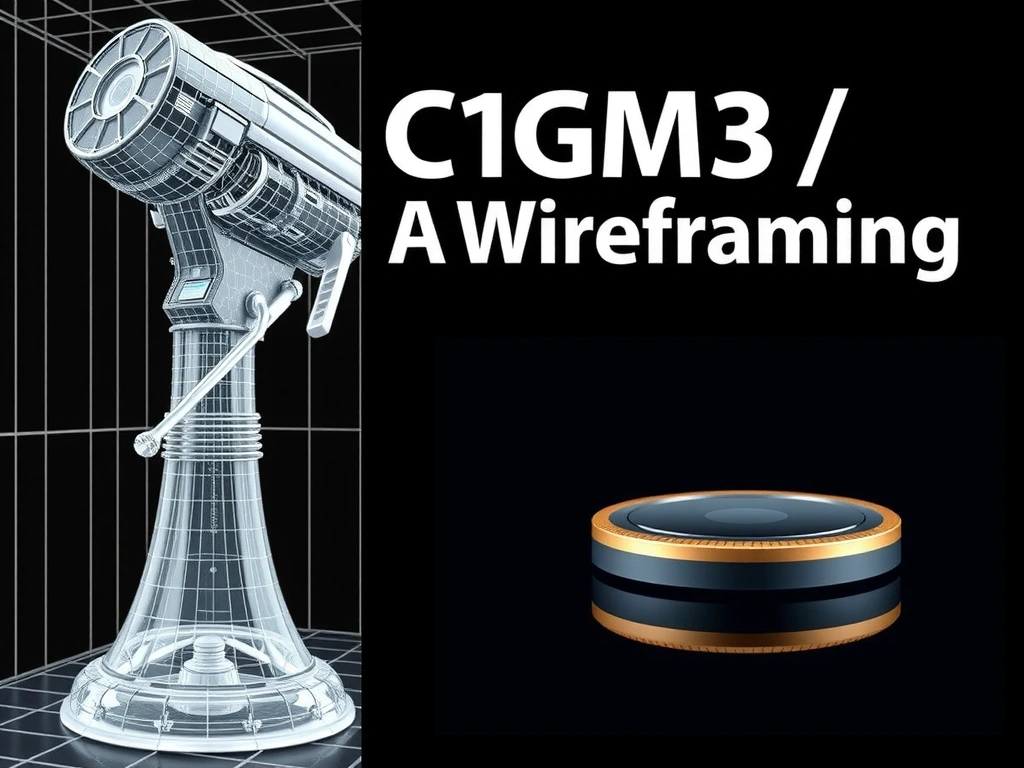
The 'Blueprint' Layer
Evidence of our mesh-optimization. We reduce polygon count by 40% in non-playable background sectors to free up RAM for character animations.

Infrastructure Anchors
Global server nodes are positioned in Tier-1 data centers to guarantee sub-30ms connectivity for competitive gaming applications.
The next evolution of play starts here.
Connect with a Technical Reviewer today to discuss hardware requirements, regional licensing, and custom integration for your deployment environment.